
Sugar
Converting Sugar: Grams, Cups, and Tablespoons Made Easy
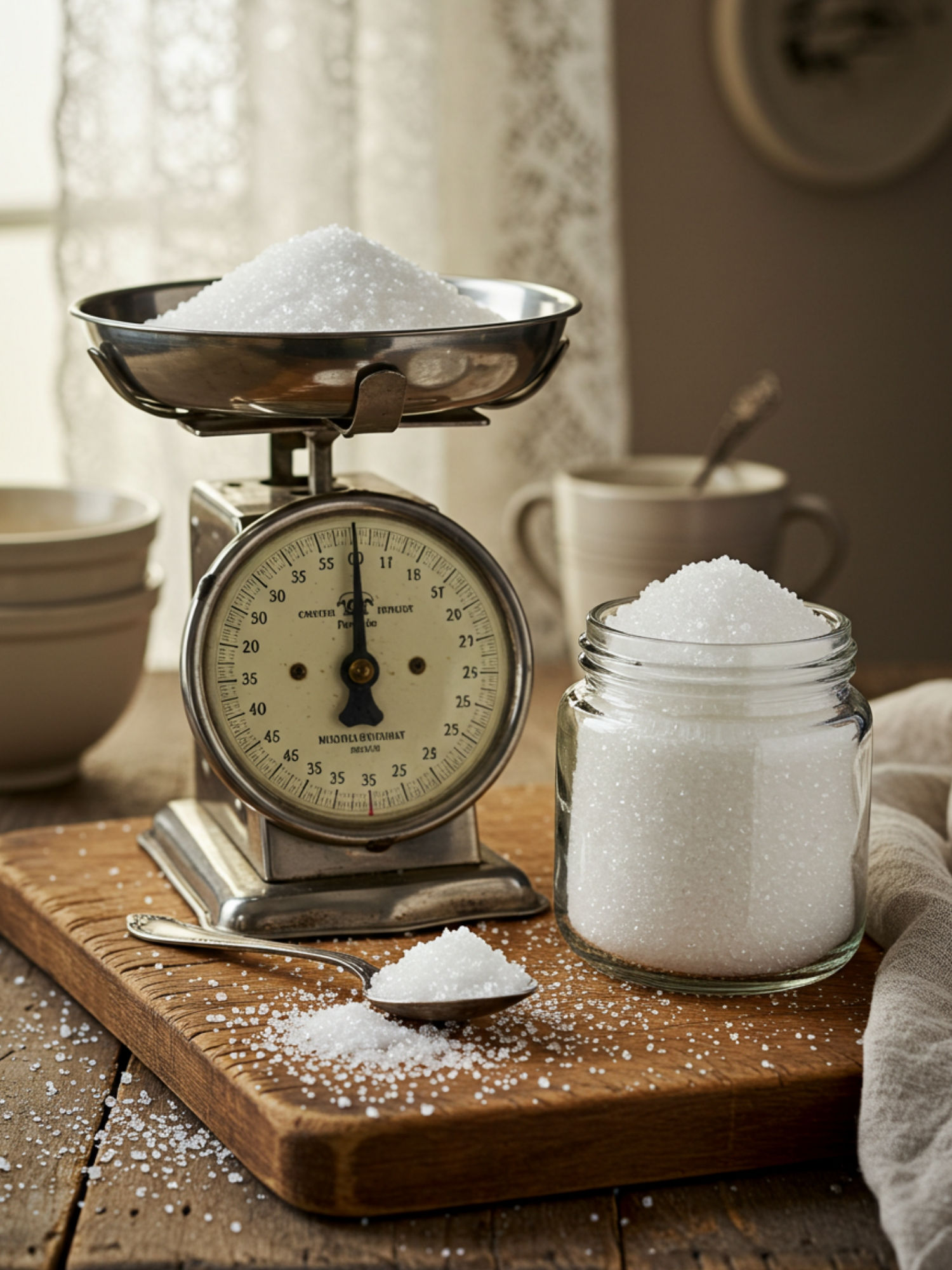
Whether you’re following a recipe from Europe or the US, converting sugar measurements between grams, cups, and tablespoons can be confusing. Different types of sugar-like white granulated, brown, or powdered—have slightly different densities, meaning one cup of sugar doesn’t always equal the same weight. For example, 1 cup of white granulated sugar typically weighs around 200 grams. Using accurate sugar conversions is essential for baking success, especially in recipes that rely on precise sweetness and texture. This sugar converter helps you easily switch between weight and volume, so your cakes, cookies, and syrups turn out just right-every time.
Sugar is a simple carbohydrate that occurs naturally in many foods, including fruits, vegetables, and dairy. It is also refined and used as a sweetener in countless processed foods and beverages.
There are several types of sugar, including:
- Glucose – a primary energy source for the body
- Fructose – found naturally in fruits and honey
- Sucrose – table sugar, made from sugar cane or sugar beets
- Lactose – the sugar found in milk
- Maltose – formed from starch digestion
Refined white sugar (sucrose) is the most commonly used in cooking and baking.
Sugar Nutrition Facts (per 100 grams – white granulated)
| Nutrient | Amount |
| Calories | 387 kcal |
| Carbohydrates | 100 g |
| Sugar (total) | 100 g |
| Sodium | 1 mg |
| Calcium | 1 mg |
| Potassium | 2 mg |
| Iron | 0.1 mg |
Sugar contains no essential vitamins, fiber, or protein.
Common Uses of Sugar
Sugar is used in:
- Baking: Essential for cakes, cookies, pastries, and more
- Cooking: Adds balance to sauces, soups, and marinades
- Preserving: Used in jams, jellies, and syrups
- Beverages: Sweetens coffee, tea, juices, and sodas
- Fermentation: Supports yeast growth in bread and brewing
Sugar Converter (Volume to Weight)
| Measurement | Grams |
| 1 teaspoon | 4 g |
| 1 tablespoon | 12.5 g |
| 1/4 cup | 50 g |
| 1/3 cup | 67 g |
| 1/2 cup | 100 g |
| 1 cup | 200 g |
Density can vary slightly depending on humidity and grind.
Is Sugar Bad for You?
Not necessarily – in moderation, sugar is fine. But excessive intake is linked to:
- Weight gain and obesity
- Type 2 diabetes
- Heart disease
- Dental problems
- Blood sugar spikes and crashes
The WHO recommends limiting added sugars to less than 10% of daily calories, ideally below 5% (about 25g or 6 teaspoons per day for adults).
Types of Sugar
| Type | Source | Common Use |
| White Sugar | Cane/beet | Baking, drinks |
| Brown Sugar | White sugar + molasses | Cookies, glazes |
| Raw Sugar | Less refined | Tea, natural recipes |
| Coconut Sugar | Coconut palm sap | Vegan/paleo recipes |
| Powdered Sugar | Finely ground white sugar | Frosting, dusting |
| Muscovado | Unrefined cane sugar | Rich desserts, sauces |
| Invert Sugar | Glucose + fructose syrup | Ice cream, confectionery |
Natural vs. Added Sugars
- Natural sugars occur in fruit (fructose), milk (lactose), and vegetables.
- Added sugars are introduced during processing and cooking.
Foods with natural sugars offer fiber, vitamins, and minerals, while added sugars typically offer empty calories.
A Brief History of Sugar
Sugarcane was first domesticated in New Guinea over 10,000 years ago. It spread to India, where it was refined into crystals. From there:
- 500 BCE: Sugar processing began in India
- 600–700s CE: Spread to the Middle East via trade
- 11th century: Reached Europe during the Crusades
- 18th–19th century: Sugar plantations fueled the transatlantic slave trade
- Modern era: Mass production and refined sugar dominate the global market