
Discovering the Venezuelan Sancocho Recipe, A Soul-Warming Traditional Stew
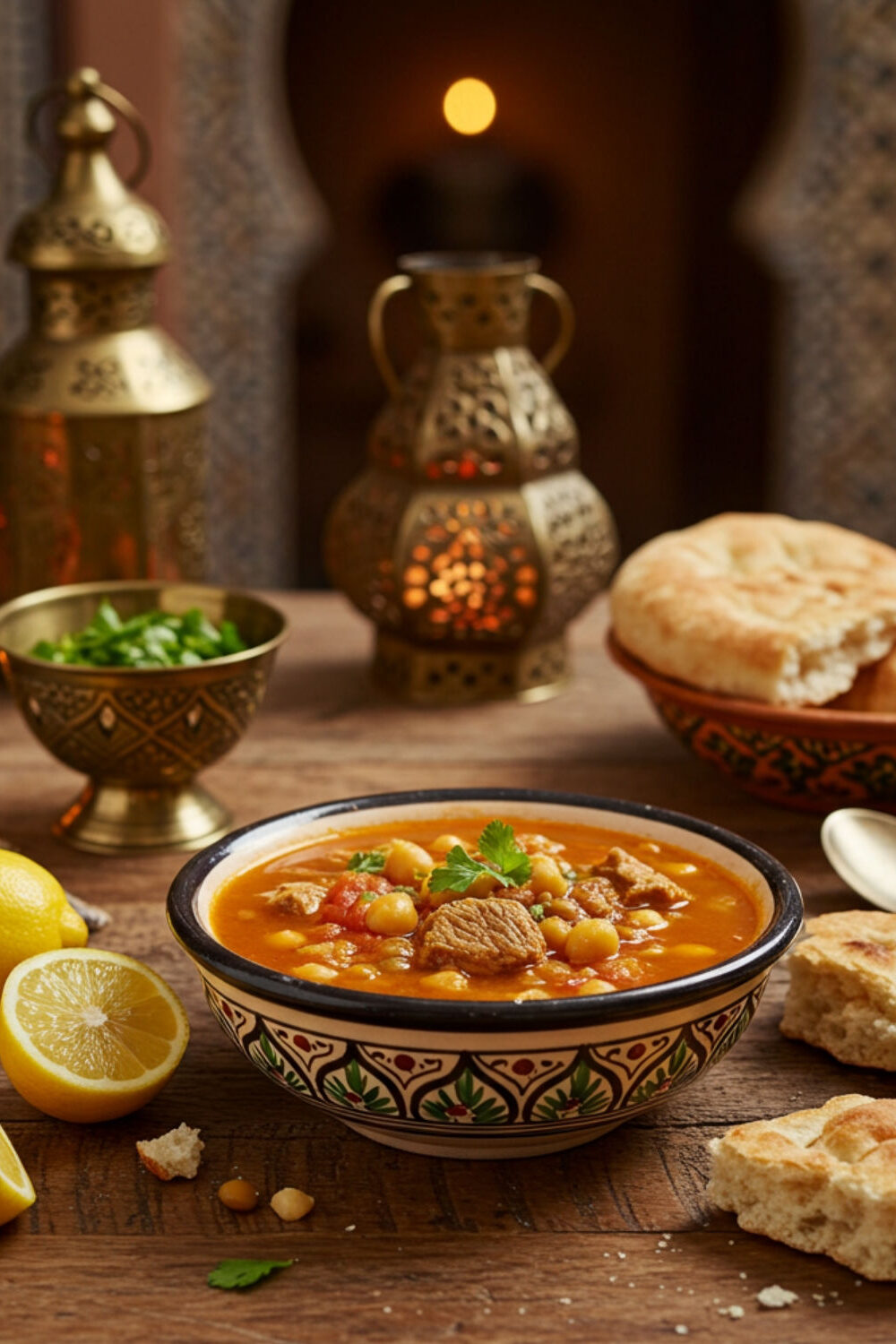
If you’re new to Venezuelan cuisine, the Venezuelan sancocho recipe is a wonderful place to start your culinary journey. This hearty, nourishing beef and root vegetable stew is a staple of Venezuelan family tables, especially on weekends when loved ones gather around to share good food and stories.
What Makes Venezuelan Sancocho Special?
Sancocho is more than just a soup, it’s a celebration of flavors, history, and tradition. Across Latin America and Spain, many regions have their own versions of sancocho, each bringing unique ingredients and cooking styles to the table. Venezuelan Sancocho stands out for its rich beef broth and an abundance of root vegetables, like cassava (yuca), yautia, and white yam, which give it a comforting heartiness.
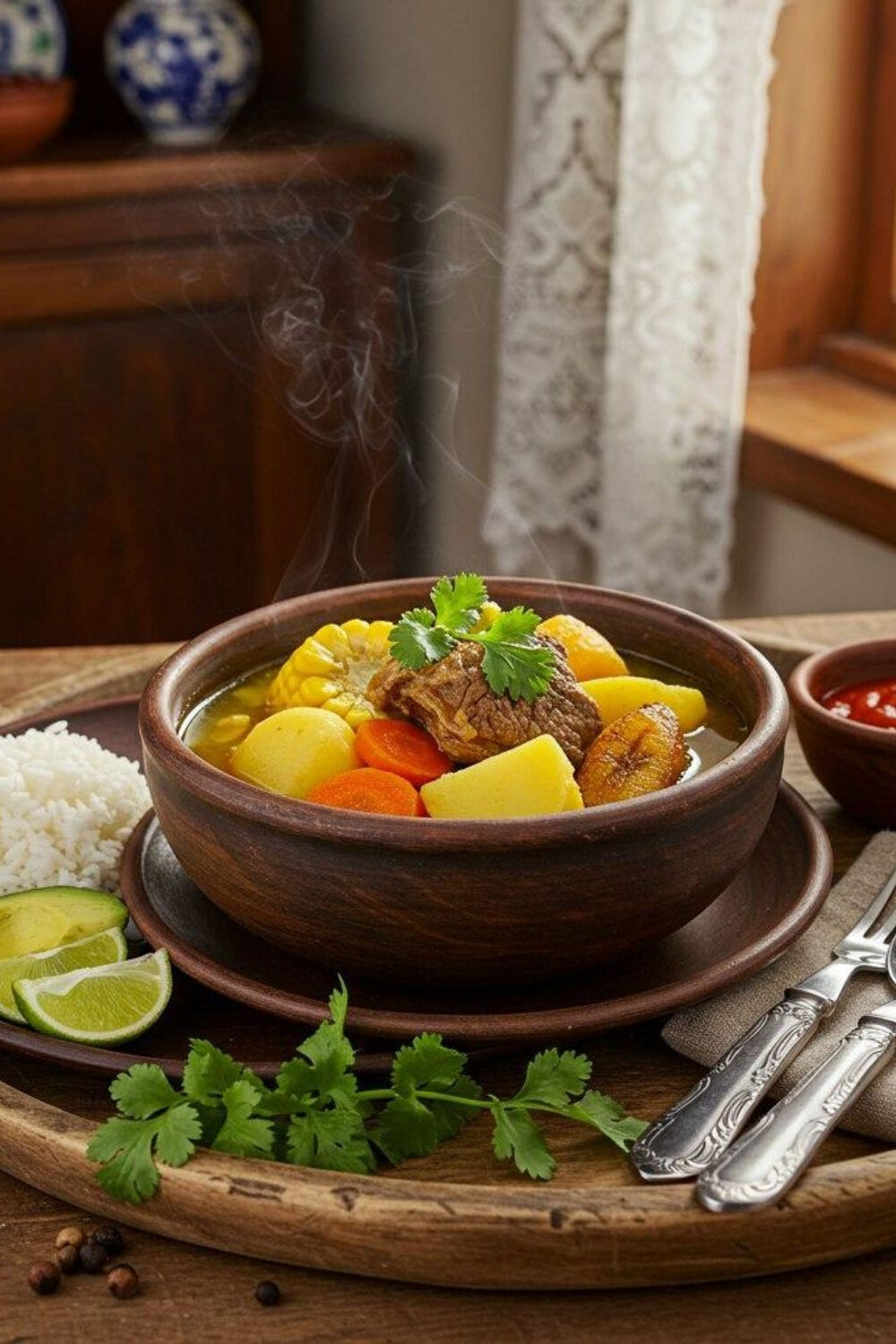
In Venezuela, this stew is traditionally made with largarto con hueso (hind shank), a cut of beef that slowly releases deep, meaty flavors as it simmers. The stew also features fresh corn, aromatic herbs like cilantro, and a mix of vegetables that balance sweetness and earthiness. The result is a dish that is simultaneously rustic and refined, the perfect embodiment of homecooked comfort.
Ingredients
- 700–900g hind shank (bone-in)
- 2 small onions (one halved, one finely diced)
- 1/2 bell pepper, halved
- 8 garlic cloves (4 whole, 4 finely minced)
- 1 leek, separated (dark green tops and light green/white stem)
- 2 litres beef or vegetable stock
- 80g mini red sweet peppers, finely diced
- 50g scallions (spring onions), thinly sliced
- 2 ears of corn, cleaned and cut into 4 pieces each
(or ~300g frozen corn on the cob chunks) - 225g cassava (yuca), peeled and chopped into 2.5 cm chunks
- 225g yautia (ocumo), peeled and chopped into 2.5 cm chunks
- 225g white yam (name), peeled and chopped into 2.5 cm chunks
- 225g butternut squash (auyama), peeled and chopped into 2.5 cm chunks
- 1tsp salt, or to taste
- Black pepper, to taste
- Fresh cilantro, chopped (about 1 small handful)
How to make Sancocho
- Create the base broth
Place the hind shank in a large pot along with the halved onion, halved bell pepper, 4 whole garlic cloves, the dark green tops of the leek, and the 2 litres of stock. Bring to a boil, then reduce to a simmer. Cook uncovered for 45-60 minutes, or until the meat is tender enough to shred with a fork. Add more time if needed. Patience pays off. - Strain and simplify
Once the meat is cooked through, carefully remove and discard the onion, pepper, garlic cloves, leek tops, and any bones. You’ll be left with a flavourful, clear broth. - Add the next layer of flavour
Add the diced onion, 2 minced garlic cloves, sweet peppers, sliced leeks (light green and white parts), scallions, cassava, and corn to the pot. Stir and simmer covered for 5-8 minutes, or until the cassava starts to soften. It might take slightly longer, just check with a fork. - Add the root vegetables
Stir in the yautia, white yam, and butternut squash. Cover again and simmer for another 5-6 minutes, until all the vegetables are cooked through but still hold their shape. - Final Touches
Taste the broth and adjust with salt and pepper as needed. Stir in the remaining 2 minced garlic cloves and a generous handful of chopped cilantro. Let everything simmer together for 2 more minutes to finish. - To Serve
Ladle the hot Sancocho into wide soup bowls, making sure everyone gets a generous helping of meat and veggies. Add a squeeze of fresh lime juice or a dash of hot sauce for a little kick. Serve with warm arepas or crisp casabe on the side.
Tip: Want to make it ahead? Sancocho tastes even better the next day, once the flavours have had time to deepen.
Storage Tips for Sancocho
Refrigeration:
Store any leftover Sancocho in a covered container in the refrigerator for up to 3 days. To keep the flavor and texture at their best, it’s a good idea to remove the corn before storing, this helps prevent any unwanted fermentation.
Freezing:
If you want to freeze your Sancocho, allow it to cool completely first. Then transfer it to an airtight container and freeze for up to one month. Again, removing the corn before freezing is recommended to avoid any changes in texture or taste.
A Dish That Warms the Heart
For many Venezuelans, Sancocho is more than a meal, it’s a ritual. Families gather to share this slow-cooked stew, often accompanied by arepas or casabe (cassava flatbread). It’s a dish that evokes memories of childhood, family gatherings, and festive Sunday lunches.
Even if you don’t have a Venezuelan background, Sancocho’s inviting flavors and rich textures are universally appealing. It’s the kind of dish that warms you from the inside out, making it ideal for cozy meals with friends or family.
Ingredients and Flavors to Know
This Venezuelan Sancocho recipe calls for:
- Hind shank beef for a rich, tender meat base
- A flavorful broth built with onion, garlic, bell pepper, and leeks
- A colorful medley of root vegetables including cassava, yautia, white yam, and butternut squash
- Fresh corn for a subtle sweetness and texture contrast
- Finishing touches of fresh cilantro and lime to brighten the flavors
The combination of these ingredients gives the stew a perfect balance of depth, freshness, and nourishment.
Where to Find Root Vegetables
For authentic ingredients like cassava (yuca), yautia (ocumo), and white yam (name), I usually shop at my local Asian or Latin American grocery store. These root vegetables add the traditional hearty texture and flavour that make Sancocho so special.
Ingredient Substitutions for Venezuelan Sancocho
While this Venezuelan sancocho recipe shines with traditional ingredients like cassava (yuca), yautia, and white yam, not everyone has easy access to these root vegetables. If you don’t have a Latin American or Asian grocery nearby, here are some practical substitutions that keep the heartiness and flavor of the stew intact:
- Cassava (Yuca): Can be replaced with parsnips, potatoes (preferably Yukon Gold or a waxy variety), or turnips. These provide a similar starchy texture that holds up well in soups.
- Yautia (Ocumo): A trickier root to find, but you can substitute with celeriac (celery root) or kohlrabi, which offer an earthy, slightly sweet flavor and firm texture.
- White Yam (Ñame): Sweet potatoes or even butternut squash (already in the recipe) can serve as a good alternative, adding both creaminess and natural sweetness.
- Butternut Squash (Auyama): If unavailable, pumpkin or kabocha squash are great replacements that deliver similar flavor and texture.
- Fresh Corn: If fresh or frozen corn on the cob is hard to find, canned corn kernels (rinsed) can be used as a convenient alternative.
- Hind Shank Beef: If you can’t find hind shank, cuts like beef chuck roast, beef shank from other parts, or oxtail can provide a similar rich, slow-cooked flavor and tenderness.
- Leeks: Can be swapped for a combination of onion and green onion (scallions) if leeks aren’t available.
These substitutions won’t exactly replicate the traditional Venezuelan flavors, but they allow you to enjoy a comforting, hearty stew inspired by sancocho, even if you’re cooking outside Latin America!
How to Enjoy Venezuelan Sancocho
Traditionally, Sancocho is served in deep bowls, generous with meat, vegetables, and broth. It pairs beautifully with arepas, rice, or cassava bread. For an authentic experience, add fresh lime juice and a bit of ají (a spicy hot sauce) on the side to customize each bowl.
Storing and Sharing
Sancocho is a fantastic make-ahead meal. Leftovers keep well in the refrigerator for up to three days (just remove the corn to prevent fermentation), and it freezes nicely for up to a month, making it perfect for meal prepping or sharing with neighbors.
Ready to Try the Venezuelan Sancocho Recipe?
This easy Venezuelan sancocho recipe captures the heart of Venezuelan cooking — simple ingredients, slow cooking, and a generous spirit. Whether you’re craving comfort food or eager to explore Latin American cuisine, Sancocho is a dish worth discovering.
Give it a try and bring a little Venezuelan warmth to your table!